
Detroit winters demand a lot from road crews, and keeping streets like Woodward Avenue and the network of freeways crisscrossing the metro area passable through snow and ice means heavy, consistent use of road salt throughout the season. That salt does its job well, melting ice and improving traction when it matters most, but it also creates one of the most reliable causes of vehicle rust that Michigan drivers deal with year after year. Understanding exactly how this process works, and what habits actually slow it down, makes a real difference in how long a vehicle lasts in this climate.
Why Road Salt Is So Effective At Causing Rust
Road salt works by lowering the freezing point of water, which is exactly why it is so useful for keeping roads clear during a Michigan winter. Unfortunately, that same chemical property makes salt highly effective at accelerating corrosion on any exposed metal it contacts. Salt dissolved in road slush clings to a vehicle’s undercarriage, wheel wells, and lower body panels, and unlike plain water, it does not simply evaporate away cleanly. Instead, it leaves behind a residue that continues drawing moisture from the air, keeping metal surfaces damp and actively promoting rust formation long after the original snow has melted.
Detroit’s driving conditions make this worse, since salt gets kicked up directly onto the undercarriage from tires and splashed up by other vehicles on the highway, coating areas that never see a hose or a car wash brush during a typical wash. This means the most heavily salted parts of your vehicle are often the ones least likely to get cleaned regularly, allowing corrosion to develop steadily throughout the entire winter season.
Where Detroit’s Salt Related Rust Tends To Start
Frame rails and structural components are among the most concerning areas, since rust here can eventually compromise a vehicle’s overall structural integrity if left unaddressed for years. Brake lines are another significant concern, since these steel components carry fluid under pressure, and corrosion that develops over multiple salty Michigan winters can weaken them enough to cause a failure rather than just a cosmetic issue.
Exhaust systems corrode readily under sustained salt exposure as well, often developing holes or weak spots that reduce performance and increase noise over time. Wheel wells and the lower edges of doors and rocker panels are visible trouble spots too, frequently showing the first signs of bubbling paint or surface rust that indicate a much larger corrosion problem developing underneath.
Why Michigan’s Freeze Thaw Pattern Makes It Even Worse
Detroit does not simply stay frozen for the entire winter. Temperatures swing back and forth between hard freezes and brief thaws throughout the season, and each thaw creates fresh slush and standing water that mixes with accumulated road salt, giving corrosion another wave of moisture and salt exposure to work with. This repeated cycling means a Detroit winter delivers considerably more cumulative salt exposure than a single sustained cold snap would, since the freeze thaw pattern essentially resets the corrosion process with fresh moisture again and again throughout the season.
Signs That Salt Related Corrosion Has Already Started
A few warning signs suggest rust has progressed to the point where it deserves professional attention. A spongy or less responsive brake pedal, unusual noises from the exhaust system, visible flaking or bubbling paint near wheel wells or door edges, and a car that has become harder to start due to corroded electrical connections are all worth investigating. If you have experienced starting trouble that seems to have developed gradually over a winter season, our guide on the top 10 reasons your car won’t start and how to get back on the road covers a range of causes, some of which trace back to the kind of corrosion issues Detroit’s road salt regularly causes.
Maintenance Habits That Actually Slow The Damage
Washing your vehicle regularly throughout winter, with particular attention to a thorough undercarriage rinse, is the single most effective habit for reducing salt related corrosion. Many car washes offer an undercarriage spray option specifically because this is the area that never gets cleaned during normal winter driving, and taking advantage of it every couple of weeks during heavy salt season makes a meaningful difference over the course of the winter.
Timing matters here as well. Washing your vehicle right after a thaw, rather than waiting until the next snowfall has already added another layer of slush and salt, gives you the best chance of actually removing accumulated residue before it has extended time to sit and cause damage. A wash squeezed in during a brief warm spell in the middle of January often does more good than the same wash performed after weeks of continuous freezing weather, simply because the salt has had less time to work into small gaps and seams.
Applying a rust inhibiting undercoating before winter fully arrives adds a protective layer that helps repel salt and moisture from directly contacting exposed metal. Checking drainage points around doors and rocker panels ensures that salty water does not pool in areas that are already prone to corrosion, and addressing any small paint chips or exposed metal promptly prevents these vulnerable spots from becoming a starting point for more widespread rust.
Why Waiting Until Spring Is A Mistake
Many Detroit drivers plan to deal with winter related wear once warmer weather arrives, but this approach allows salt exposure to compound for months before any protective action is taken. By the time spring arrives, corrosion that could have been addressed early with a simple coating or a more frequent washing routine may have already progressed into something requiring an actual repair. Addressing salt exposure throughout the winter, rather than only after the season ends, is considerably more effective at preventing serious rust damage.
Why A Mobile Mechanic Fits Detroit’s Winter Reality
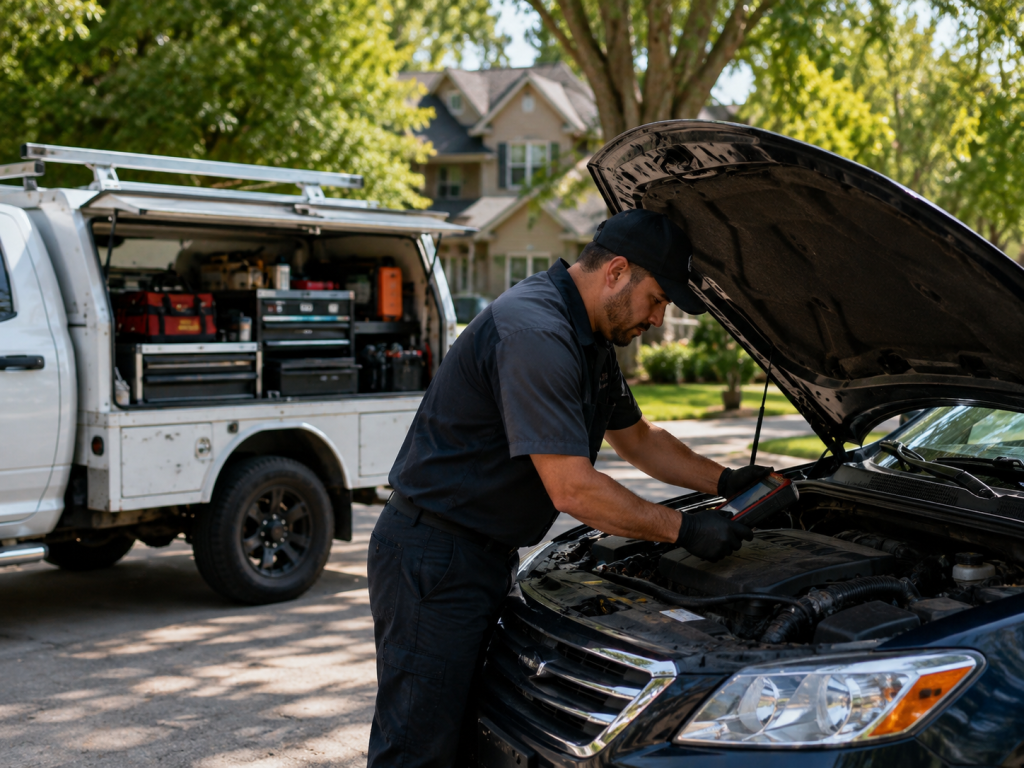
Given how much of this maintenance revolves around inspecting and treating the underside of a vehicle, having a technician come directly to your home or workplace anywhere in the Detroit area is often more practical than arranging a shop visit during the coldest, snowiest months. A mobile mechanic can perform a thorough undercarriage inspection, apply protective treatments, and catch developing corrosion issues without you needing to navigate the same salted roads that caused the problem in the first place.
We covered the broader benefits of this approach in our article on why mobile mechanics are better than traditional auto shops in Detroit, which explains how convenience and local familiarity come together, particularly useful for ongoing rust prevention throughout a long Michigan winter.
Protect Your Vehicle Before Salt Takes Hold
Road salt is simply part of surviving a Detroit winter safely, and while it cannot be avoided on the roads, staying ahead of its effect on your vehicle is entirely manageable with consistent habits. Catching corrosion early can add years to the life of components that would otherwise fail well before their time in this climate.
If it has been a while since your undercarriage was inspected, visit our homepage to learn more about our services, or reach out through our contact us page to schedule a visit at your home or office anywhere in the Detroit area.
A little proactive care throughout the winter goes a long way toward keeping your car dependable despite everything Detroit’s salted roads throw at it every year.